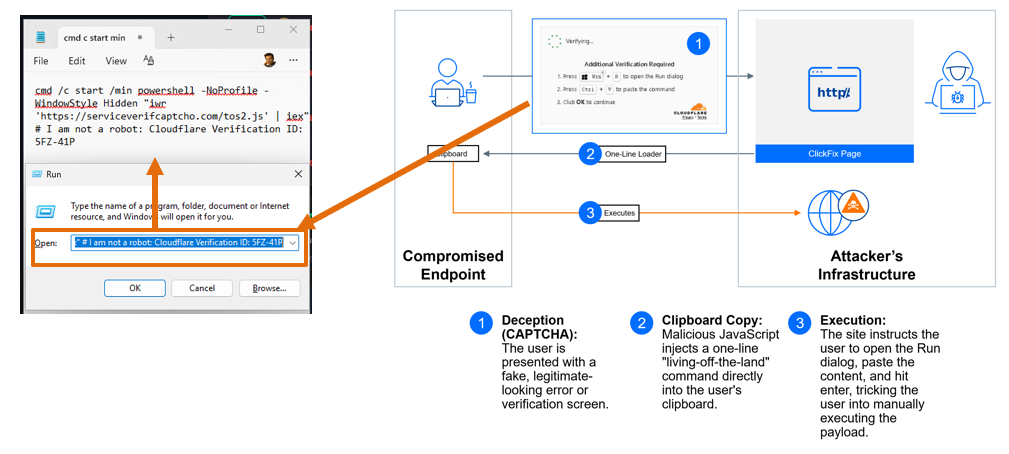
Technical deep dive into ClickFix tradecraft, a sophisticated social engineering driven initial access technique. Covers delivery methods, execution specializations, payload analysis, and detection strategies based on OrangeCon 2026 research.
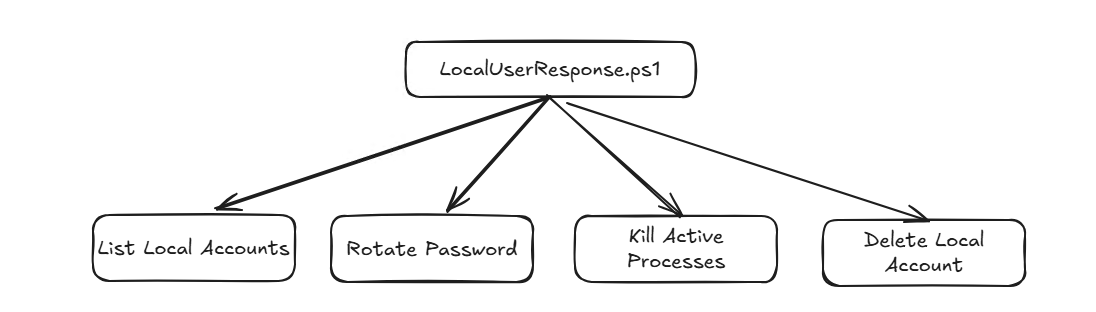
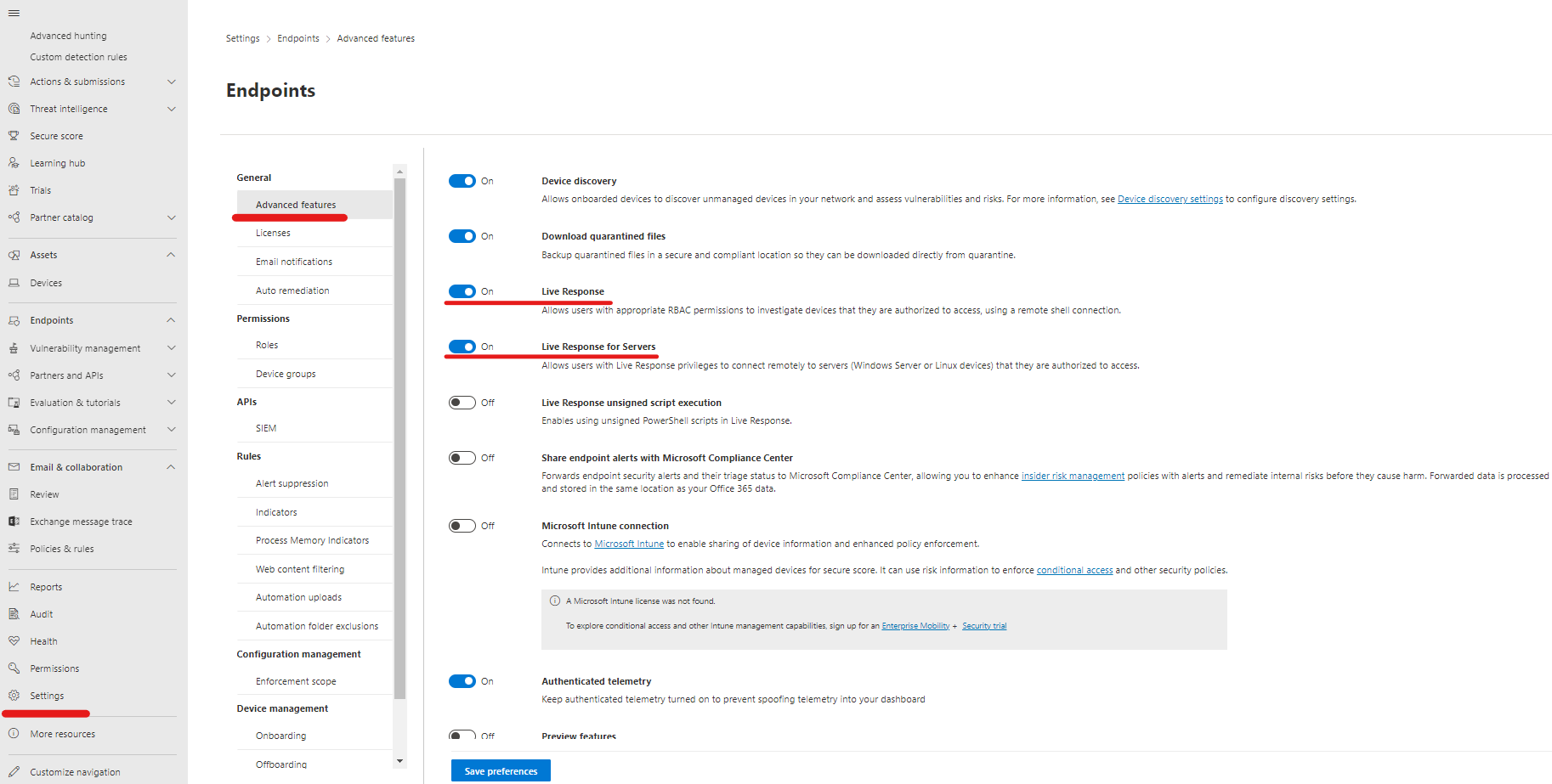
Live Response is a valuable tool that you can add to your incident response toolkit. Live Response provides a remote shell possibility on a compromised device, which allows you to run remote commands to investigate suspicious activity. This blog describes common commands and shows examples. Furthermore, the power of custom PowerShell scripts is shared with example scripts that can help you perform incident response.
Do you have logs that contain IP addresses? Probably the answer is yes. Whether logs are DeviceNetworkEvents, API calls, Firewall or signin events the data can be analysed using KQL. This blog explains various tips and tricks to further develop your knowledge to effectively analyse logs containing IP addresses. Besides that multiple functions that can be leveraged in daily network related operations are discussed. One very interesting spoiler, you never have to calculate your own subnets again!
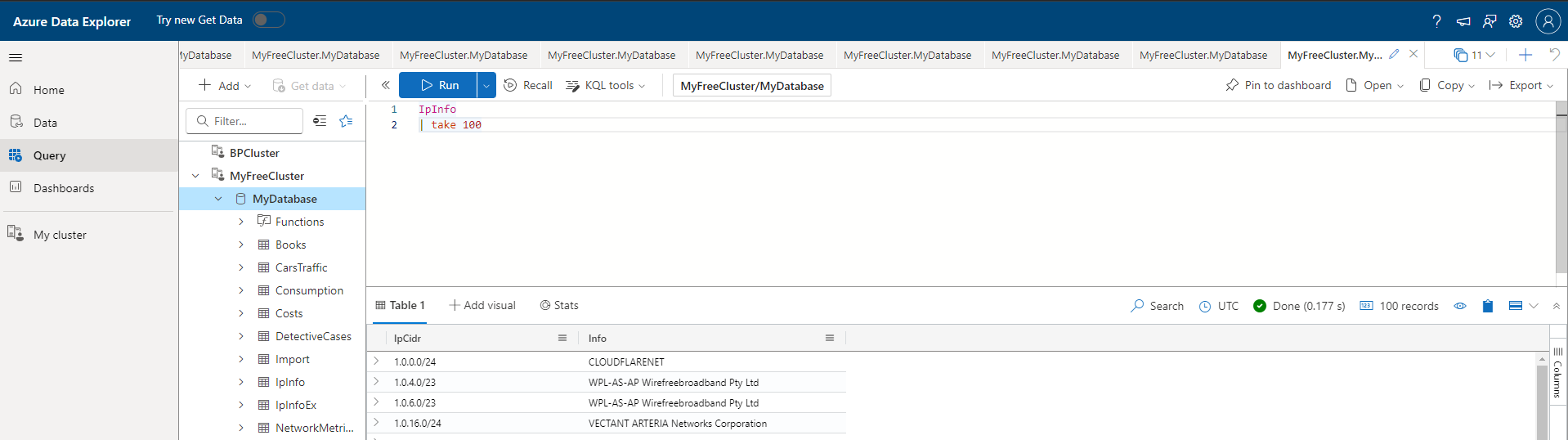
Kusto Query Language (KQL) is a valuable tool to have in your incident response toolkit. This blog series focuses on Incident Response and consists of three different parts. The second blog will discuss how you can perform incident response on data that is not ingested in your security tooling, using what else than KQL. This is done using Azure Data Explorer and providing examples of Windows Security Event and Microsoft 365 Incident Response cases.
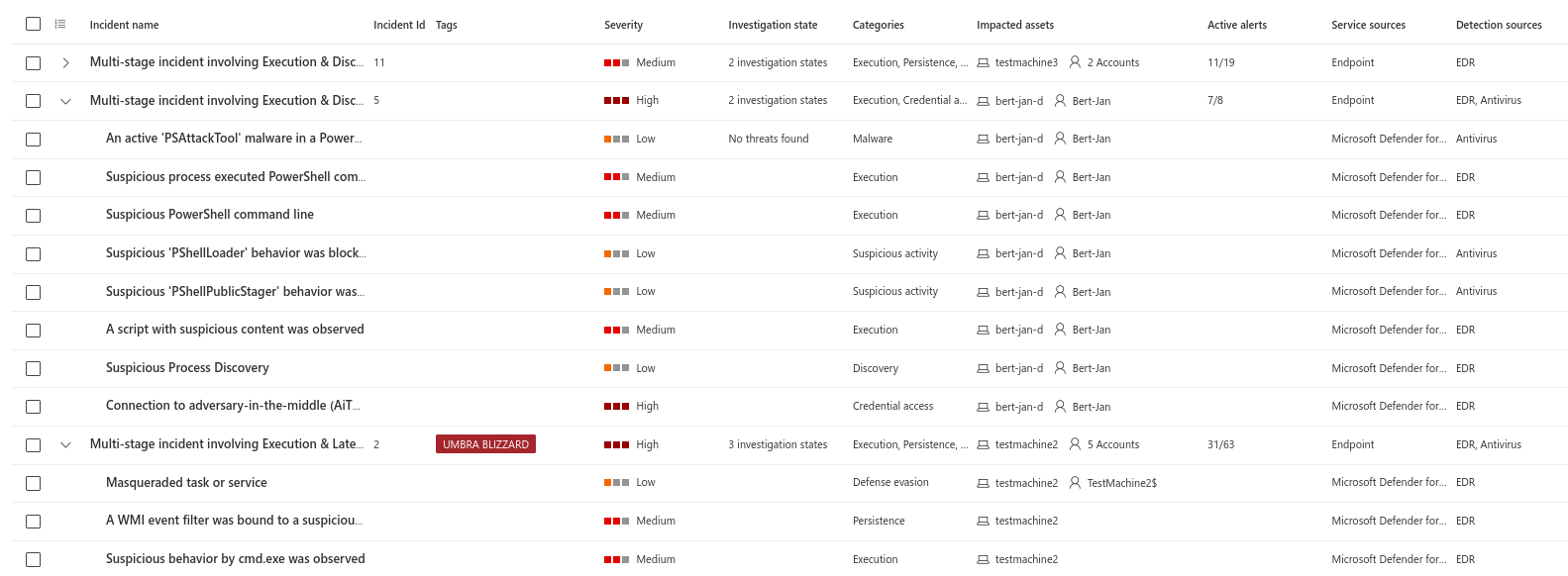
Kusto Query Language (KQL) is a valuable tool to have in your incident response toolkit. This blog series is focusses on Incident Repsonse and consists of three different parts. The first blog: IR on Microsoft Security Incidents (KQL edition), describes how different KQL queries can help you detect and analyse malicious post-incident behaviour. The functions help you enrich the context of the incidents to effectively and efficiently respond to security incidents.
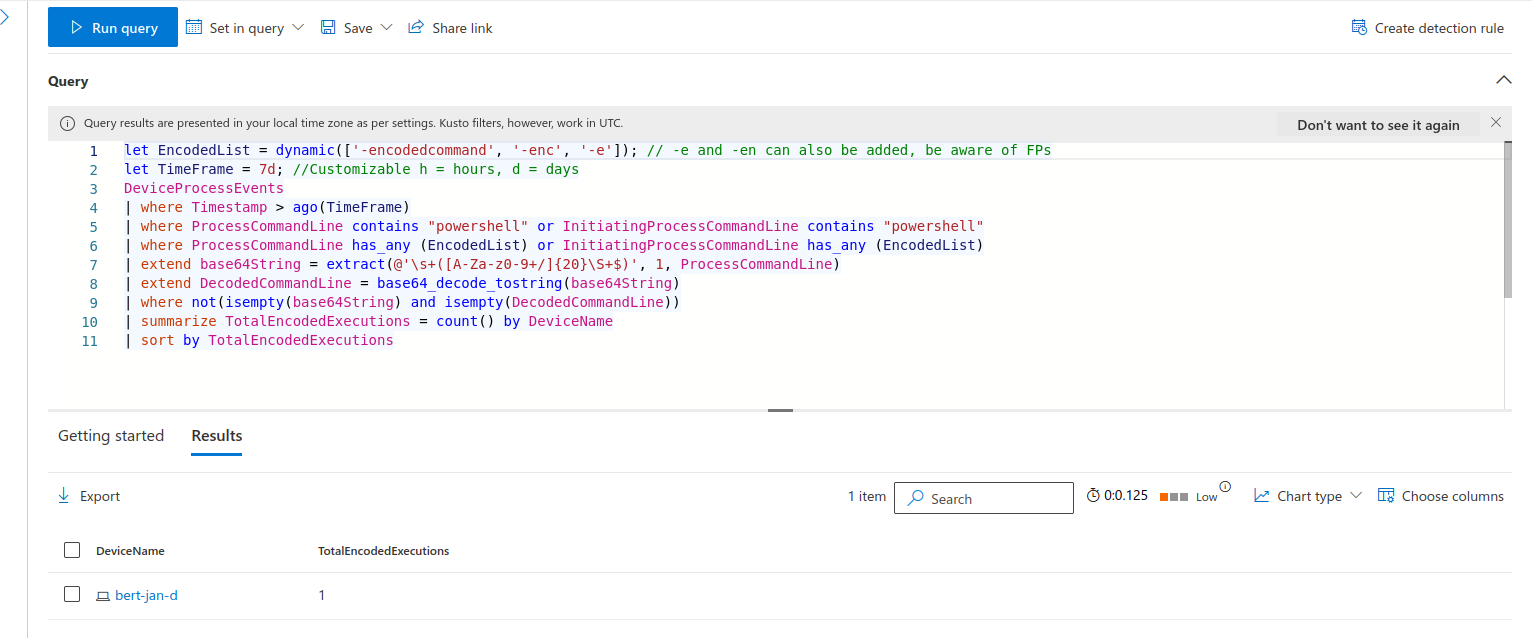
PowerShell can be used encoded to obfucstate the commands that have been executed, this blog explains how KQL can help you detect this behaviour. Those encoded executions are classified in T1027.010. The goal of this blog is to identify the systems that execute encoded powershell and to classify the traffic as benign or suspicious, starting with statistics and ending with enriched detections to identify recon and WebRequests via encoded PowerShell commands.
Explore essential KQL functions for SOC, threat hunting, and detection engineering, including ipv4_is_private, base64 decoding, geo enrichment, and bin.
This blog is dedicated to providing some of the KQL security sources that I use regularly. Those sources can be really helpful to learn KQL, but also to improve your detection coverage in Defender For Endpoint (Advanced Hunting) or Sentinel (Analytics Rules)!