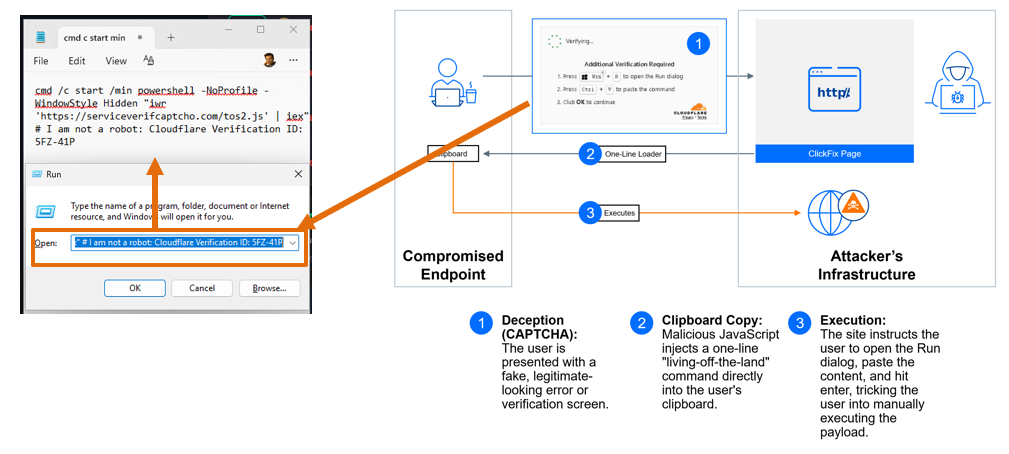
Technical deep dive into ClickFix tradecraft, a sophisticated social engineering driven initial access technique. Covers delivery methods, execution specializations, payload analysis, and detection strategies based on OrangeCon 2026 research.
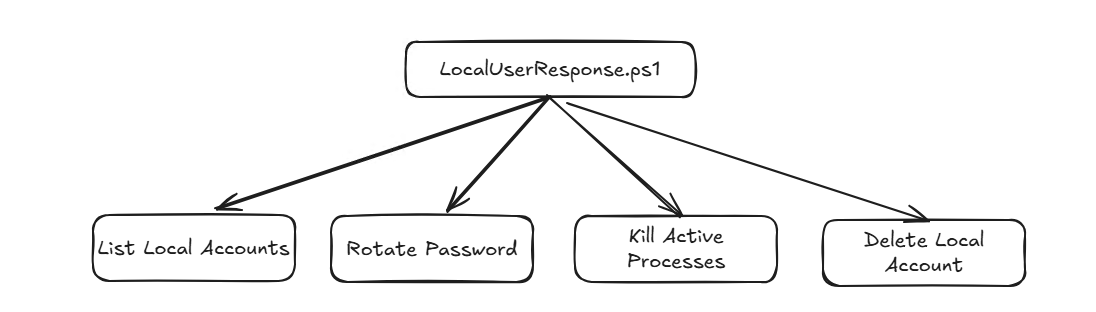
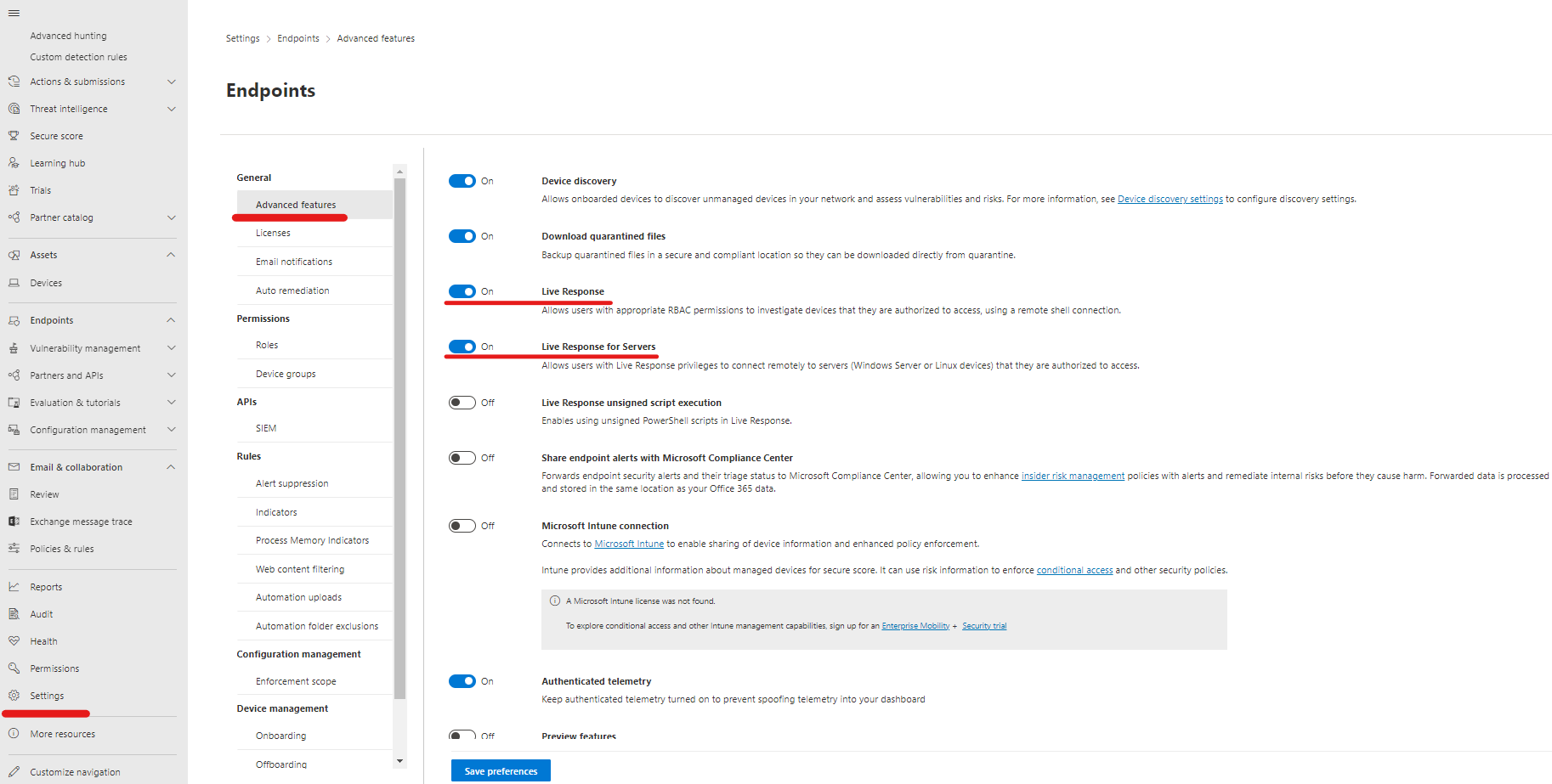
Live Response is a valuable tool that you can add to your incident response toolkit. Live Response provides a remote shell possibility on a compromised device, which allows you to run remote commands to investigate suspicious activity. This blog describes common commands and shows examples. Furthermore, the power of custom PowerShell scripts is shared with example scripts that can help you perform incident response.
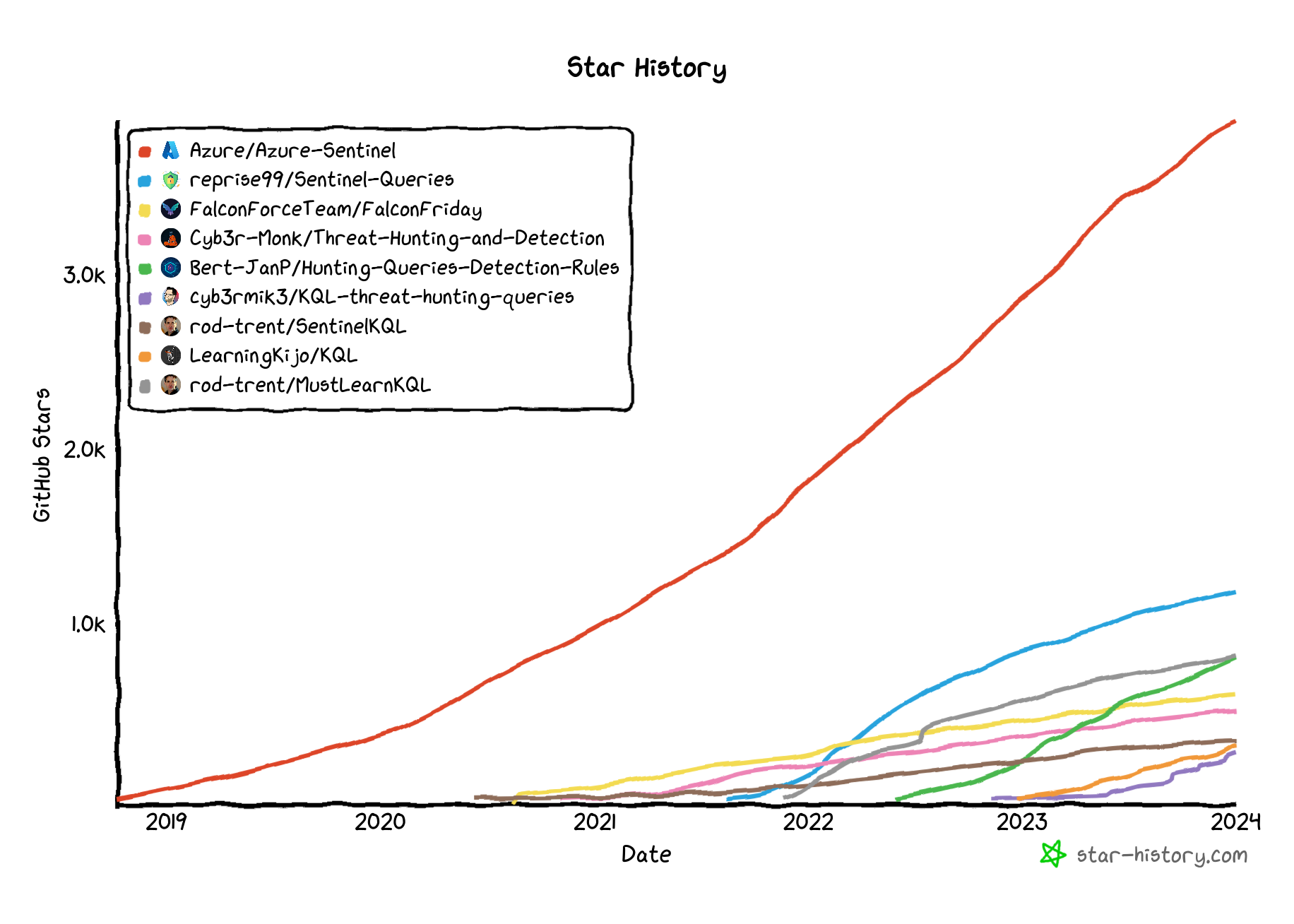
What started as a single blog is now becomming a yearly trend. More and more KQL related repositories are created, not only with focus on security but also Intune, Entra and Azure Monitor related queries. Dive in and discover how these new additions can help you tackle challenges or give you new ideas for the new year.
Use the KQL externaldata operator to dynamically ingest IOC feeds, enrich threat hunting queries, detect NamedPipes, Tor activity, CISA KEV vulnerabilities, and integrate with MISP across Sentinel, Defender XDR, and other SIEM/XDR platforms.
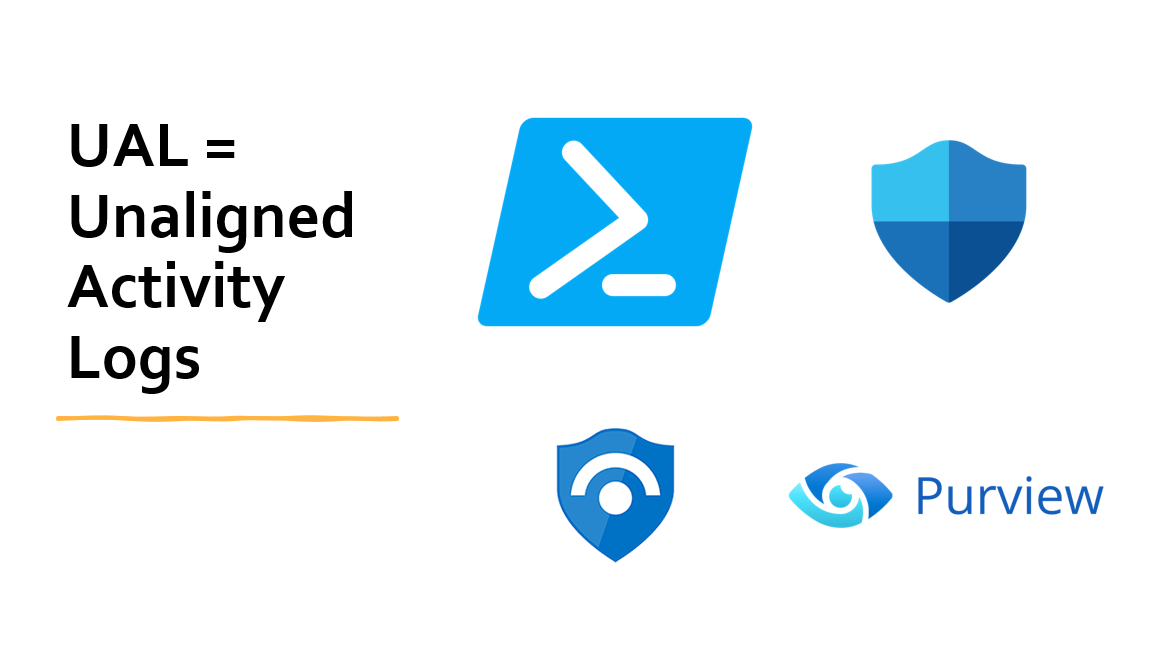
The Unified Audit Logs seem a perfect solution to investigate Office 365-related security incidents. While this is true there are massive differences in the acquisition methods and their coverage. To start with the most interesting finding, there is no way to get 100% of the UAL activities covered via one source. In this blog, we discuss the four mainstream UAL acquisition methods and their ad- and disadvantages with very interesting results.
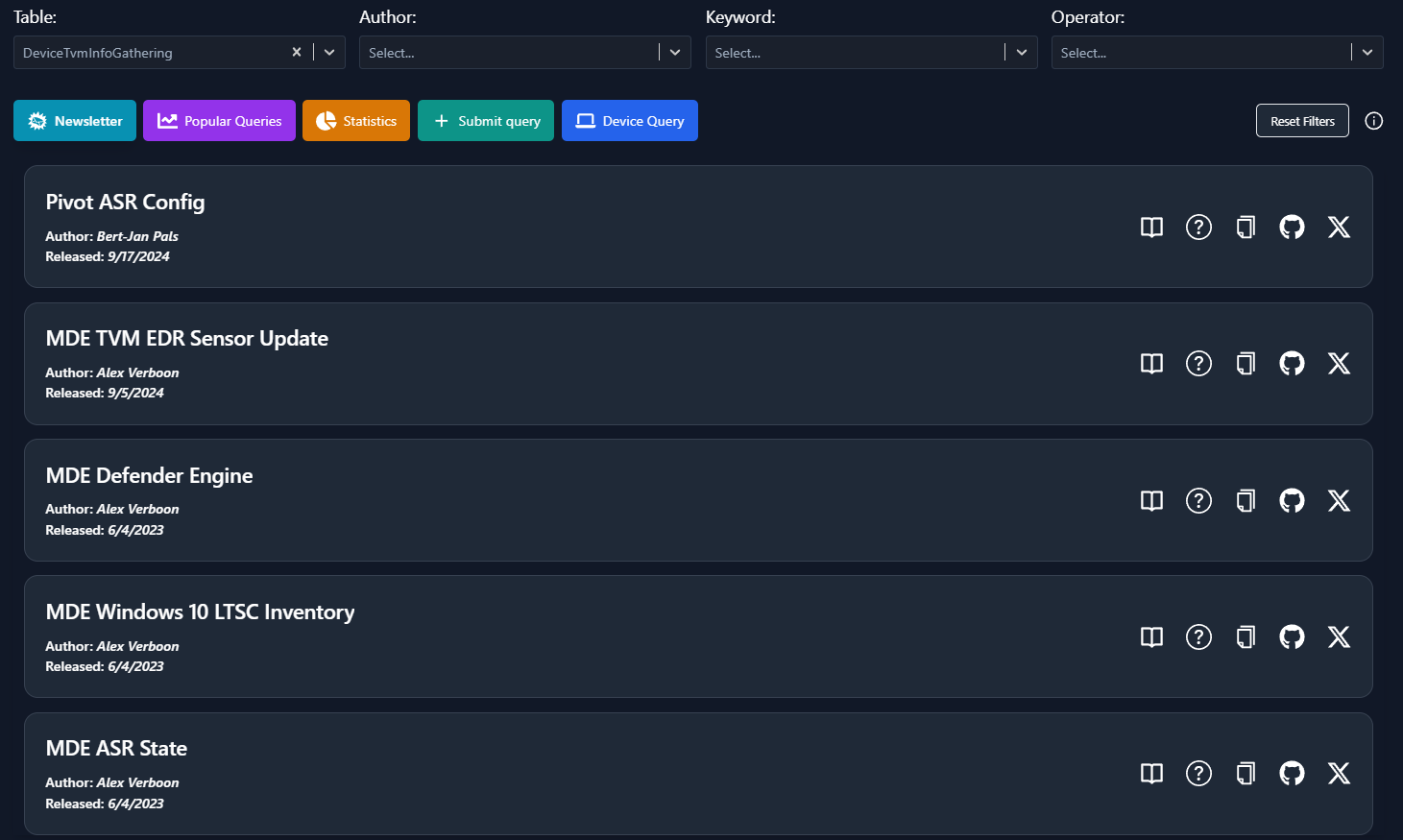
Explore the hidden value of DeviceTvmInfoGathering for gaining deep configuration insights across Defender for Endpoint—covering rollout rings, ASR settings, antivirus scans, and cross‑platform security visibility for SOC, SIEM, and XDR environments.
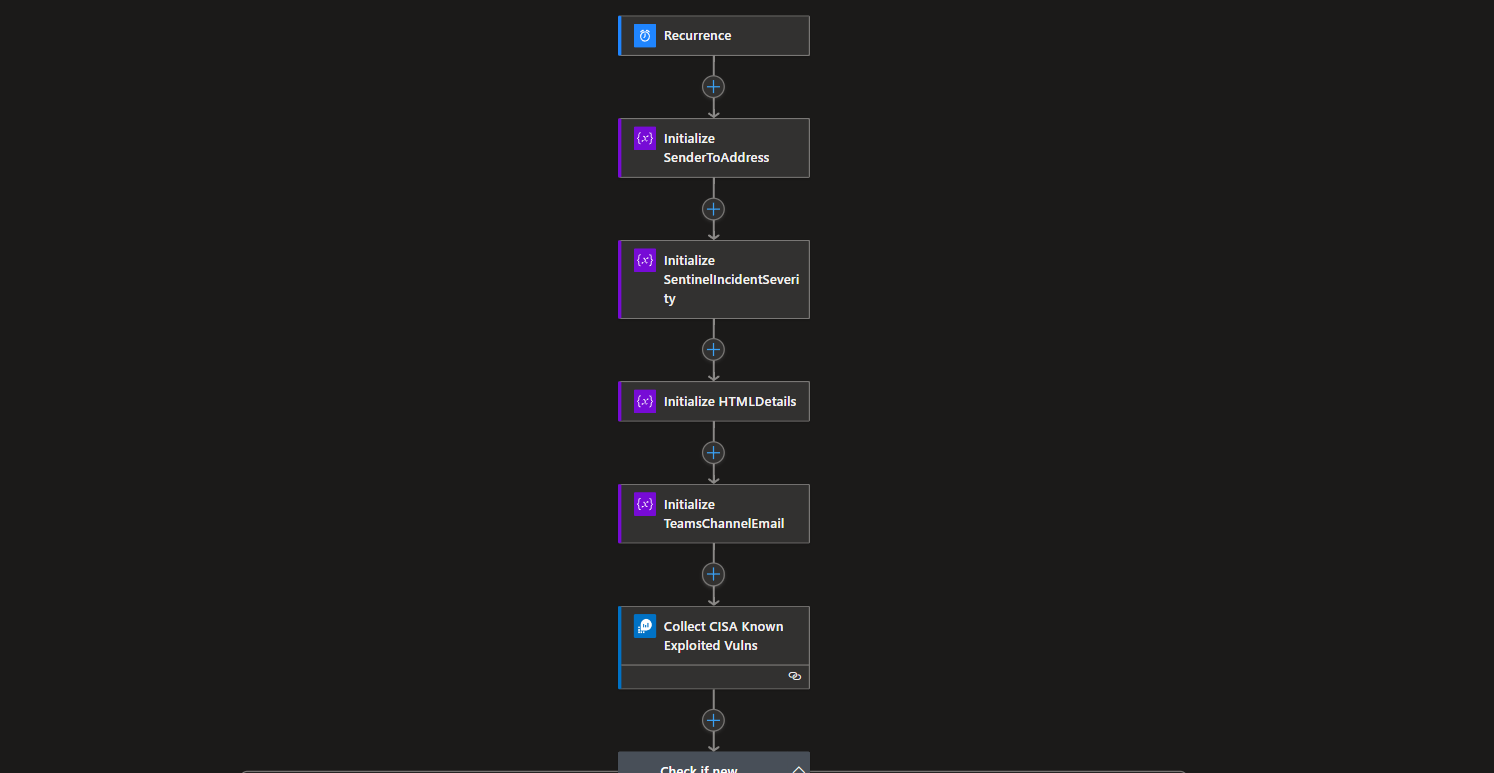
Automate CISA Known Exploited Vulnerability notifications using Microsoft Sentinel, Logic Apps, and KQL—build multi‑platform alerting workflows for SOC, SIEM, and XDR environments to detect and respond to newly added KEVs faster.
Learn how to audit critical security activities in Microsoft Defender XDR and the Unified Audit Log, collect events through CloudAppEvents, and build cross‑platform detections and hunting queries for SOC, SIEM, and XDR environments.
At the beginning of April (2024) Microsoft announced the general availability of the Microsoft Graph activity logs, this new log source opens opportunities for a variety of defensive security roles. This blog explains how the data can be effectively analyzed and enriched with KQL. Lastly, the blog explores the new detection potential by sharing a query to detect AzureHound activity.
The recent ScreenConnect vulnerability (CVE-2024-1709 & CVE-2024-1708) showed once more why it is so important to detect post-exploitation behaviour. Most of the post-exploitation behaviour is not new, thus ensuring that you detect the known is a must. This blog explains how the Huntress report on the observed post-exploitation can be translated to detection rules, which is done based on theory and practice KQL examples.
The DFIR PowerShell script has gotten a major update! The script provides you with a single script to collect forensic artefacts on Windows devices. The update includes SIEM exports, new artefact collections and more. This blog describes how the script can be used, and how it can integrate with SIEM/Data Analysis tools for the best experience. This blog explains how the collected artefacts can be queried, aggregated and visualised for efficient incident response.
It is great to see that more and more repositories, blogs and other sources share security related KQL content. Therefore this post provides an updated list of to start the new year. These sources can help you to kickstart your KQL knowledge for the upcoming year, by providing learning material, detection rules, hunting queries and many more.